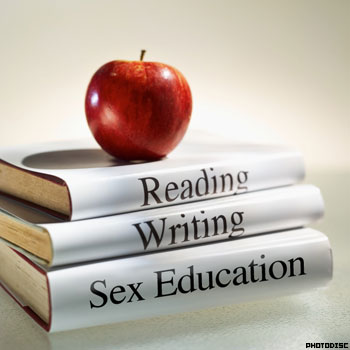
No 4 Draft Health & Physical Education Curriculum Fails LGBTI Students

For people who read my blog regularly, you will know that this is something I have written a fair bit about over the past 12 months. For others, you could be forgiven for asking what exactly I am talking about. Which is a fair enough question, given this subject has almost completely evaded media attention, even within the LGBTI community.

In December 2012, the Australian Curriculum, Assessment and Reporting Authority (ACARA) released a draft national Health & Physical Education (HPE) curriculum for public consultation. Submissions closed in April this year, before a second draft was released for limited public consultation in July 2013.

ACARA then finalised the draft curriculum from August to November, before submitting it for approval at the COAG Standing Council on School Education and Early Childhood (SCSEEC) meeting in in Sydney on 29 November.

Through this process, it became clear that the draft HPE curriculum that had been developed would almost completely fail to serve the needs of young LGBTI people right around Australia. Neither the first nor the second draft curriculum even included the words gay, lesbian or bisexual, and, while the second included transgender and intersex, it only did so in the glossary and even then erroneously included them within the same definition.

Nor did the draft HPE curriculum guarantee that all students, LGBTI and non-LGBTI alike, would learn the necessary sexual health education to allow them to make informed choices. Almost unbelievably, COAG Education Ministers were asked to approve a Health & Physical Education curriculum that did not even include the term HIV (or other BBVs like viral hepatitis for that matter), just two days before World AIDS Day.

For more information on just how bad the draft HPE curriculums were, here is my submission to the first draft: https://alastairlawrie.net/2013/04/11/submission-on-national-health-physical-education-curriculum/ and second draft: https://alastairlawrie.net/2013/07/30/submission-on-redrafted-national-health-physical-education-curriculum/

Given the fact the draft HPE curriculums so comprehensively failed to include LGBTI students, let alone content that was relevant to their needs, why didn’t this issue receive more attention, both from the media, and more specifically from LGBTI activists and advocates?

Well, there are lots of reasons – including but not limited to the inability of something as complicated as a school curriculum to compete with the much more emotive, yes/no, good/evil, photogenic juggernaut that is marriage equality.

But simply writing it off in that way is too simple – and lets us off the hook, free from our own responsibility for this failure. Because, if the exclusion of LGBTI students and content from the HPE curriculum was not a public issue, it is because we, as LGBTI activists and advocates, did not make it one.

In which case, I would like to sincerely apologise to future generations of young LGBTI people, who we failed over the past 12 months. If the HPE curriculum that is ultimately adopted resembles anything like its draft form, then we simply did not do enough to ensure that you received the education that you deserve.

Of course, I should not be alone in making such an apology – there are many other people, and organisations, who could and should have done more in this area throughout the course of 2013. Nor should we let off the hook the Education Ministers, both Labor and Liberal, who oversaw the development of the HPE curriculum, including Peter Garrett and Bill Shorten who were Education Minister when the two drafts were released, respectively.

There is however, a small glimmer of hope, and an opportunity to make things better, in the HPE curriculum and therefore for LGBTI students over the next 10 to 15 years. That is because new Commonwealth Education Minister Christopher Pyne has commenced a review of both ACARA, and of the curriculum development process more generally.

While overall that is probably not a positive development, it did mean that the HPE curriculum was not actually agreed at the 29 November meeting, but was instead simply ‘noted’. In short, there is still time to try to convince Minister Pyne, and any or all of this state and territory counterparts (Labor, Liberal and Green), that the draft HPE curriculum is not good enough when it comes to providing essential health education to LGBTI students.

Unfortunately, doing so would require the concerted effort of LGBTI people and organisations from around the country. Based on all the evidence of the past 12 months, I am not especially hopeful. Still, I can hope to be proven wrong.

UPDATE January 11 2014: As of yesterday, the small glimmer of hope that might have existed is no more. The Commonwealth Education Minister, Christopher Pyne, has appointed Kevin Donnelly as one of two men to review the curriculum. Unfortunately, Mr Donnelly is on record as making numerous homophobic comments in the past, including advocating for the rights of religious schools to discriminate against LGBTI students and staff. If anything, there is now a grave danger that the final Health & Physical Education curriculum will be significantly worse than the already poor versions released publicly in December 2012 and July 2013. How depressing for us – and how dangerous for the health and safety of the next generation of LGBTI students and young people.

The ABCs of Health & Physical Education Must Include LGBTI

Next week, a decision will be made that will have a profound and long-lasting influence on the health and wellbeing of an entire generation of young lesbian, gay, bisexual, transgender and intersex (LGBTI) Australians. And it has nothing (or at most, very little) to do with marriage equality.

On Friday, 29 November, the COAG Standing Council on School Education and Early Childhood, which includes Commonwealth, state and territory Education Ministers, will decide whether to approve the national Health and Physical Education (HPE) curriculum. The HPE curriculum, developed by the Australian Curriculum, Assessment and Reporting Authority (ACARA), has largely been ignored, struggling to compete for attention against photogenic images of same-sex couples in wedding attire, and empowered adults advocating for the right to marry the person they love.

While I obviously support that campaign (indeed, I am engaged to be married myself), the national HPE curriculum will arguably have a far greater impact on young LGBTI people, right across the country, than any other possible reform.

We already know that young LGBTI people experience significantly higher rates of mental health issues, and, tragically, suicidality, than other groups. Figures from the Don’t Ask, Don’t Tell report reveal that young same-sex attracted people are roughly six times more likely to attempt suicide (20-42% compared to 7-13% of heterosexual young people). While there is less research, similar, if anything even worse, statistics affect young transgender people.

And we already know what causes poorer mental health outcomes for younger LGBTI people – the homophobia, bi-phobia, trans-phobia and anti-intersex discrimination that still occurs all too frequently. The 2010 Writing Themselves In 3 report found that 61% of same-sex attracted and gender questioning young people had experienced verbal abuse because of homophobia, 18% had suffered physical abuse, and 26% reported other forms of homophobia.

Disturbingly, “the most common place of abuse remained school with 80% of those who were abused naming school” (WTI3 pIX). Our young LGBTI people are being abused in one of the places that they should feel safest. And the trend is worsening, with that figure markedly up since 2004 (when 74% reported homophobic abuse at school) and 1998 (69%).

Just as worryingly, young LGBTI are not receiving an inclusive education in terms of content either. While just over a third of young people reported receiving useful information about homophobia and discrimination from school (WTI3, p80), less than one fifth were able to access information about gay or lesbian relationships (p81).

Our schools are also comprehensively failing to provide adequate, and appropriate, sexual health education to young LGBTI people. Writing Themselves In 3 found that less than one in five students were taught relevant information about gay or lesbian safe sex (by comparison, approximately 70% reported receiving information about heterosexual safe sex: p82). Young people themselves are aware of this gross inadequacy – 84% of LGBTI respondents found their Sexuality Education to be either not useful at all (44%) or at best only partly useful (40%) (p84).

I have painted this confronting picture because the development of a national Health and Physical Education curriculum was an ideal chance to rectify some of these deficiencies. An inclusive HPE curriculum, which specifically included LGBTI students and content relevant to their needs, could have gone some way to reducing the disparities in health outcomes experienced by young LGBTI people. But it seems likely the document that will be agreed at the end of next week will fall spectacularly short of this goal.

Two drafts of the HPE curriculum have been released for publication consultation: the first, an 82-page draft in December 2012, the second, a pared-down 50 page revised draft in July 2013. In neither draft are the terms lesbian, gay, homosexual or bisexual even used, let alone defined. The words transgender and intersex do make a solitary appearance in the revised draft: in the glossary, erroneously included together under the heading gender-diverse.

Not only is the national HPE curriculum not going to overcome the silence about LGBTI students and content which exists in many schools across Australia – it is more likely to perpetuate and further entrench it.

To be fair, the curriculum does include a single aspirational – some might say, less kindly, token – paragraph on the subject of ‘same sex attracted and gender diverse students’ (SSAGD) on page 18 of the July 2013 revised draft. But even this includes vague, and seemingly unenforceable, commitments.

It says the curriculum “is designed to allow schools flexibility to meet the needs of these [SSAGD] students, particularly in the health context of relationships and sexuality” (emphasis added). This leaves open the possibility that some schools, including but not limited to religious schools, will exercise that same flexibility to exclude LGBTI content.

The next sentence reads “[a]ll school communities have a responsibility when implementing the HPE curriculum to ensure teaching is inclusive and relevant to the lived experience of all students” (emphasis added). That could be interpreted, optimistically, to mean all schools must include SSAGD content – or it could be interpreted, by less progressive school bodies (or indeed state and territory governments), to mean HPE education must be inclusive only where they are aware of the presence of LGBTI students.

That might seem, on the face of it, to be an overly-negative reading – except that a statement that “students facing these issues [SSAGD] exist in all schools”, which appeared in the first draft of the curriculum, was axed from the revised draft. It is hard to ignore the possibility that religious and independent schools have ensured the removal of such a clause, thereby allowing them to continue to ignore LGBTI students and content unless those students identify themselves.

These schools know that many young people will not disclose their sexual orientation, gender identity or intersex status at school (often in – quite legitimate – fear of punishment from that same school), meaning that heterosexual and cisgender-only health education can continue on much as before. Even where LGBTI students do ‘come out’, the onus should never be put on them to do so in order to receive an inclusive education: all students have the fundamental right to be taught LGBTI relevant content, whether they have disclosed their status or not.

That right exists no matter which state or territory they live in, and irrespective of whether they attend a public, religious or other private school. The right to be taught LGBTI-inclusive content also supersedes whatever views the school, or its employees, may hold, based on religion or otherwise. To me, that is the definition of putting children first, something which conservatives and family values campaigners consistently tell us to do.

Any optimistic view of the curriculum, based on the ‘aspirational paragraph’ referred to earlier, is further undermined by the lack of specific content in the individual year band descriptions, which is the practical guide to what students are expected to learn (on pages 25-42). There are no sections that guarantee detailed LGBTI-relevant content will be taught. In fact, a single reference to ‘homophobia’, which was included in the original December 2012 draft, was excised from the revised draft released in July 2013.

Even worse, there does not appear to be any section which mandates that students be taught comprehensive sexual health information (and that absence even includes heterosexual sexual health). There are no references to safe(r) sex education, to condoms, or to sexually transmissible infections (STIs). Above all, there is not a single reference in the entire draft HPE curriculum to HIV.

Imagine that for a second. More than 30 years into the HIV epidemic in Australia, and in the same year that the Annual Surveillance Reports showed a 10% increase in HIV notifications (24% in NSW), our national Health and Physical Education curriculum does not even mention HIV (nor does it include other Blood Borne Viruses (BBVs) like hepatitis B or C, which themselves each affect 1% of the entire Australian population).

The idea that, just two days before World AIDS Day, Commonwealth, state and territory Education Ministers could sit around a table and agree to an HPE curriculum that excludes HIV and other BBVs is simply astounding (and a lot of other words which I am too polite to write here).

Taken together, these omissions – LGBTI students and content, comprehensive sexual health education, and HIV and other BBVs – from the national Health and Physical Education curriculum, mean that the document that has been drafted (or the public versions of it at least) is an abject failure.

And it is a collective failure, too. The original December 2012 draft, and the July 2013 revised draft, were both released under the previous federal Labor Government. Of the state and territory Education Ministers present next Friday, five will be from the Coalition, two from Labor and even one from the Greens, and they will each bear some of the responsibility.

But above all, this is a test for the new Commonwealth Education Minister, the Hon Christopher Pyne MP. He has come to Government expressing concerns about the ACARA process for developing the national curriculum, and the outcomes it has produced. Here is his opportunity to show that he is genuine, and to help ensure that the national Health and Physical Education Curriculum is genuinely-inclusive.

If he does not, if the document that is approved on 29 November excludes LGBTI students and content, comprehensive sexual health education, and HIV and other BBVs, then Minister Pyne will earn a large red “F” on his first term report card. He can – and must – do better.

Update (3 December): The Standing Council on School Education and Early Childhood met last Friday, but did NOT endorse the national Health & Physical Education curriculum. Instead, they have noted its development, while also noting that the Commonwealth is reviewing ACARA and the curriculum development process more broadly. Basically, the curriculum is on hold until that review is finished, meaning it could be adopted at some point in 2014, amended and then adopted in 2014, or could be sent back for complete redraft, either by ACARA or someone else. I will obviously post further updates as I become aware of important developments.

Submission on Alex Greenwich’s Anti-Discrimination Amendment (Private Educational Authorities) Bill 2013

The following is my submission, lodged today, in response to a discussion paper and Bill released by the Member for Sydney, Mr Alex Greenwich. The Paper and Bill seek to remove exceptions which allow private educational authorities, including religious schools, the right to discriminate against lesbian, gay and transgender students. Unfortunately, I think that to achieve that goal, more amendments to the NSW Anti-Discrimination Act 1977 may need to be made. In any event, I believe that there are a range of other amendments which should also be made at the same time, including the removal of section 56 generally. Anyway, here it is:

Mr Alex Greenwich

Member for Sydney

Sydney@parliament.nsw.gov.au

Monday 30 September 2013

Dear Mr Greenwich

Submission on Anti-Discrimination Amendment (Private Educational Authorities) Bill 2013

Thank you for the opportunity to provide a submission in response to your discussion paper on anti-discrimination law reform, released in August 2013, and in particular in relation to your Anti-Discrimination Amendment (Private Educational Authorities) Bill 2013 (the Bill), which you introduced into NSW Parliament on 19 September 2013.

First of all, let me say that I welcome your strong commitment to removing the discrimination that can be experienced by lesbian, gay and transgender students in private educational institutions, including private schools. As has been demonstrated by the Writing Themselves In reports, and countless other research projects over the years, schools can be one of the major sources of homophobia and trans-phobia in the lives of young people.

It is vital that any ‘exceptions’ in the NSW Anti-Discrimination Act 1977 which may authorise schools to discriminate against lesbian, gay and transgender students are removed, and this must apply to all types of private schools, including religious schools. From what I have read, both in the Discussion Paper and associated media, as well as in your Second Reading Speech, I believe this is what your Bill is attempting to achieve.

However, I do have some concerns about the Anti-Discrimination (Private Educational Authorities) Bill 2013, in particular:

  • It is unclear whether the Bill, as drafted, will accomplish this aim
  • There are a range of other amendments which also need to be made to the Anti-Discrimination Act 1997 and
  • If the Bill is aimed at removing the right to discriminate from religious schools, thereby provoking an expected negative response from religious organisations, then I believe that the right of religious organisations to discriminate more broadly under s56 should be removed at the same time.

Turning first to the question of whether the Bill, if passed, would actually achieve the aim of removing the right to discriminate from all schools, including religious schools, I note that the Bill simply removes those provisions of the Anti-Discrimination Act 1997 which provide a specific right to discriminate (namely, sections 31A(3)(a), 38K(3), 46A(3), 49L(3)(a), 49ZO(3) and 49ZYL(3)(b)).

However, the Bill does not amend or seek to repeal the catch-all section which provides exceptions to religious organisations to discriminate – and that is found in section 56(d) which states: “Nothing in this Act affects: (d) any other act or practice of a body established to propagate religion that conforms to the doctrines of that religion or is necessary to avoid injury to the religious susceptibilities of the adherents of that religion.”

I am concerned that, by leaving this section unamended, the effect of your Bill would be to remove the right to discriminate from private educational authorities that are not religious, but that religious schools would retain the right to discriminate against lesbian, gay and transgender students on the basis of their ‘religious principles or beliefs’. The practical effect of the Bill would therefore have a positive outcome for a much, much smaller cohort of students than what is intended.

This reading of the Anti-Discrimination Act 1977, and in particular s56(d), appears to be supported by the main case in this area in recent years: OW & OV v Members of the Board of the Wesley Mission Council [2010] NSWADT 293. This case involved a service operated by the Wesley Mission, which sought to utilise the ‘protections’ offered in s56(d) to discriminate against gay male foster carers. The Wesley Mission was ultimately successful in its appeal.

While foster care is obviously not exactly the same as providing education in religious schools, I believe that it is potentially analogous in terms of indicating how broad the religious exceptions under s56(d) are in practice, and in particular in suggesting that they would operate to shield religious schools that discriminate against lesbian, gay and transgender students from the scope of the Anti-Discrimination Act 1977.

This also appears to be the opinion of the current Attorney-General of NSW, the Hon Greg Smith SC MP. In a speech titled Religious Vilification, Anti-Discrimination Law and Religious Freedom, which he gave on 24 August 2011, the Attorney-General discussed the operation of s56:

“116. Section 56 creates a general exemption from the ADA for religious bodies. Religious bodies are not required to comply with the ADA in relation to:

  1. The training, education, ordination or appointment of religious leaders [s56(a)&(b)];
  2. The appointment of any other person [s56(c)];
  3. Any other act or practice that conforms to the doctrines of that religion or is necessary to avoid injury to the religious susceptibilities of the adherents of thast religion [s56(d)].

117. Section 56 was included in the ADA when first enacted. While other jurisdictions have adopted a general exception from their anti-discrimination statutes for religious bodies, the exceptions are narrower than that under the ADA in the following ways:

a. While section 56(c) of the ADA exempts the appointment of persons ‘in any capacity’ by a religious body, other jurisdictions exempt only appointment of persons to perform functions related to religious practices;

b. Some other jurisdictions have provisions equivalent to s56(d) of the ADA, but others are narrower. Those that are narrower limit the exemption to acts done as part of a religious practice [NT], or don’t extend the exemption to discrimination in work or education [Qld], or limit the grounds of discrimination that are exempt.” [emphasis added]

The implication from this speech, and in particular from para 117(b) above, is that the Attorney-General believes that the protections offered by s56(d) would be available to a school or educational facility run by a religious organisation. This also appears to be the interpretation of s 56(d) by other organisations and advocacy groups which work in this area, including the Inner-City Legal Centre and Public Interest Advocacy Centre.

If that is the case – that either your Bill does not operate to limit the right of religious schools to discriminate against lesbian, gay and transgender students, or that there may be some ongoing uncertainty in this area – then might I suggest you seek additional legal advice on the scope of s56(d), and whether further amendments to your Bill might be necessary to guarantee the rights of lesbian, gay and transgender students in religious schools not to be discriminated against. Obviously, if the Bill is to be debated and ultimately voted upon in late 2013 or early 2014, it would be useful to have clarity about the exact protections to be offered by the Bill beforehand.

Moving on to my second concern about the Bill, which applies irrespective of whether students at religious schools are covered or not, specifically that there are a range of other serious problems with the NSW Anti-Discrimination Act 1977, and it is my belief that these issues should be considered at the same time by the Parliament.

For example, as well as protecting lesbian, gay and transgender students, anti-discrimination protections should also be offered to teachers and other employees at the same schools, irrespective of their sexual orientation or gender identity.

In fact, I believe that religious exceptions should be limited to only cover the appointment of ministers of religion, and the conduct of religious ceremonies. In short, religious organisations should no longer be sanctioned by the State to discriminate in employment and service delivery in places like hospitals or social services – and a reform to the existing law is a perfect opportunity to make such changes.

There are also a range of problems with the current scope of, and definitions included in, the NSW Anti-Discrimination Act 1977, including the fact that it protects homosexuals (in s49ZF) rather than people with different sexual orientations (with the effect that, while lesbians and gay men are covered, bisexuals are not).

The NSW Act also includes what I understand to be an out-dated definition of transgender (in s38A), rather than the preferred definition of gender identity as passed in the Commonwealth Sex Discrimination Amendment (Sexual Orientation, Gender Identity and Intersex Status) Act 2013. Indeed, the NSW Act does not even cover intersex status at all, unlike its Commonwealth counterpart. I hope that you, and other MPs involved in this area of public policy, are consulting with groups representing the transgender and intersex communities about whether, and how, to deal with these issues.

There are also other problems with the current Act, including what I find to be an objectionable difference in financial penalties for individual offenders found guilty of vilification; the maximum financial penalty for racial or HIV/AIDS vilification (set at 50 Penalty Units) is five times higher than that for homosexual or transgender vilification (set at 10 Penalty Units). There can be no justification for this discrepancy, which effectively creates a hierarchy of offensiveness, with some types of vilification considered more serious than others.

The above problems with the NSW Anti-Discrimination Act 1977 are simply those which I have identified from my own reading and research. I am sure that there are other issues which also need to be addressed. This to me suggests that there is sufficient impetus for a more comprehensive re-write of the Act. While the subject of protecting lesbian, gay and transgender students is an incredibly important one, I believe that the range of problems identified above should all be dealt with at the same time.

Which brings me to my third concern with the draft Anti-Discrimination Amendment (Private Educational Authorities) Bill 2013, and that is a concern around tactics or strategy.

By attempting to limit the right of religious organisations to discriminate against lesbian, gay and transgender students in their schools, you are taking on something which many churches take to be an inalienable ‘right’ – the ability to indoctrinate young people with their religious teachings against homosexuality or transgender identity.

As a result, I would expect a significant backlash from those same religious organisations against your Bill. The size or scale of that backlash might only be slightly less than that which could be expected from an attempt to narrow the broader exceptions contained in section 56 (by limiting its coverage to the appointment of ministers and conduct of religious ceremonies).

In that case, it is my personal view that, as well as removing the specific provisions concerning private educational authorities (as featured in your Bill), any attempt to reform the NSW Anti-Discrimination Act 1977 should also contain provisions which significantly reduce the scope of s56. If people such as yourself are going to take on the right of religious organisations to discriminate, then why not do so more comprehensively, rather than in what could be described a piecemeal (or at the very least, narrowly-targeted) fashion?

Which is not to say that moves to protect lesbian, gay and transgender students from discrimination are not welcome – they obviously are. And I also wish to restate my support for the overall intention of the Bill; protecting young people who are lesbian, gay and transgender from homophobia and trans-phobia is an incredibly important objective.

However, any attempt to do so must ensure that the Bill captures all private schools, including religious schools. And, even if that drafting issue is resolved, it remains my personal view that reform to the NSW Anti-Discrimination Act 1977 should go much further, and address broader issues including but not limited to restricting the scope of section 56.

Thank you for considering this submission.

Yours sincerely,

Alastair Lawrie

Letter to Christopher Pyne re LGBTI Exclusion from National Health & Physical Education Curriculum

With the election of the Abbott Liberal/National Government on September 7 2013, Christopher Pyne has been appointed the new Commonwealth Minister for Education.

I have written the below letter to Minister Pyne about the exclusion of LGBTI students and issues (as well as sexual health and HIV) from the draft national Health & Physical Education curriculum. It is my third letter on this subject to the third Commonwealth Education Minister over the past 6 months (with previous letters to Minister Peter Garrett and Minister Bill Shorten).

Given there is little evidence these problems have been addressed by ACARA so far, here’s hoping for third time lucky.

The Hon Christopher Pyne MP

Minister for Education

PO Box 6022

House of Representatives

Parliament House

CANBERRA ACT 2600

Sunday 29 September 2013

Dear Minister

LGBTI INCLUSION IN NATIONAL HEALTH AND PHYSICAL EDUCATION CURRICULUM

Congratulations on your recent appointment as the Commonwealth Minister for Education. As you are aware, in this role you are now the Minister responsible for overseeing the development of the national Health and Physical Education (HPE) curriculum.

A draft national HPE curriculum was released by the Australian Curriculum, Assessment and Reporting Authority (ACARA) in December 2012. Public consultation on this document closed in April 2013. A redrafted HPE curriculum was released for limited public consultation in July, although submissions on that document have now also closed. This means that final drafting is currently taking place by ACARA, leading to potential agreement between the Commonwealth and the States and Territories in the final three months of 2013.

Unfortunately, the draft HPE curriculum as released by ACARA (and even the redraft released in July) does not guarantee an inclusive and relevant education for all Australian students, because it neglects to address the needs of lesbian, gay, bisexual, transgender and intersex (LGBTI) students.

For example, throughout the entire 80-plus page original document the words lesbian, gay, bisexual, transgender or intersex did not appear even once. The redraft still did not include the words lesbian, gay or bisexual, and, while it did include the terms transgender and intersex (once each), it erroneously included both under the definition gender diverse (intersex is a biological characteristic and not a gender identity). It is impossible for a HPE curriculum to deal with the health needs of these students without being able to name them.

Unfortunately, an introductory paragraph from the original document which at least acknowledged that ‘same-sex attracted and gender diverse students’ (which in any event does not include intersex) exist in all schools across Australia has been amended such that this statement has been omitted. That same paragraph states that the curriculum is designed to allow schools ‘flexibility’ to meet the needs of same-sex attracted and gender diverse students, rather than mandating that all schools must provide an inclusive education. This falls short of the basic requirement that every student, in every classroom, has the right to a comprehensive health education, irrespective of their sexual orientation, gender identity or intersex status.

There are two other significant problems with the draft HPE curriculum as released. While it now at least refers to both reproductive and sexual health, it fails to provide any detail of how this topic is intended to be taught, and omits any mention of safer sex and/or detailed instruction on condom usage and other vital sexual health messages. In short, it does not include sufficient detail for the health needs of the next generation.

The second additional problem is that the entire document (both original and redraft) does not use the term HIV, or AIDS, once. While new treatments have significantly improved the health outcomes of people living with HIV, an HIV diagnosis remains a serious thing. I think it is irresponsible not to specifically mention this virus, together with the ways that it can be prevented, in a HPE curriculum. The 2012 NSW notifications data released in July 2013, which showed a 24% increase in HIV diagnoses, reinforces the need for HIV education to be included in the curriculum. Please find attached a copy of my submission to the original ACARA public consultation process, which outlines my concerns in these, and other, areas in greater detail.

Most importantly, please find attached a copy of a Change.org petition which I initiated on this topic addressed to one of your predecessors as Commonwealth Minister for Education, the Hon Peter Garrett MP, and his state and territory counterparts. Given these issues were not addressed in the redraft, the burden of rectifying these glaring omissions from the HPE curriculum now falls upon you as the new Commonwealth Minister for Education, as well as your state and territory colleagues.

This petition – calling for the HPE curriculum to be LGBTI inclusive, include sexual health and include HIV – was incredibly well-received, and secured more the 6,000 signatures in just over 3 weeks. This shows the depth of the community’s concerns that LGBTI students are included in the school curriculum, and ensuring that the content is relevant to them.

I would strongly encourage you to also read the reasons which people provided explaining why they signed this petition. They include descriptions of harm that people experienced because they had not received an inclusive education themselves when they were at school. Future students should not experience the same silence and stigma that these people suffered.

The reasons which people provided for signing the petition also demonstrate that this is an issue which matters to people from right across the community – young and old, LGBTI and their family and friends, and general members of the community who understand that all students have a right to be included.

Thank you for taking the time to read this letter, my submission to ACARA and the Change.org petition and comments which are attached. Thank you for considering this issue.

Yours sincerely,

Alastair Lawrie

Submission on Redrafted National Health & Physical Education Curriculum

The Australian Curriculum, Assessment and Reporting Authority (ACARA) released a slightly redrafted version of the national Health & Physical Education curriculum for limited public consultation over the past 2 weeks. While there were some modest improvements from the original draft released in December 2012, there are still significant problems with what is proposed, especially as it fails to ensure that content is relevant for LGBTI students, and that every classroom is genuinely LGBTI inclusive.

This afternoon I provided my personal submission to the process, which included attachments covering my previous petition to the Commonwealth Education Minister, the Hon Peter Garrett MP, and the comments which people made on that (although not reproduced here because both are too large). Anyway, here is my submission (I understand that a range of groups, including the NSW Gay & Lesbian Rights Lobby and others, will be making submissions too, so hopefully there is more change before the final document is released later this year):

Submission on Redrafted National Health & Physical Education Curriculum

I am writing to provide a personal submission in response to the redrafted national Health & Physical Education (HPE) curriculum, as published on the Australian Curriculum, Assessment and Reporting Authority (ACARA) website in July 2013.

I also provided a submission in April 2013 in response to the original draft HPE curriculum as released by ACARA in December 2012. Please find a copy of that submission at Attachment A. In it, I outlined a range of substantive concerns with the draft curriculum, and in particular in relation to how it related to (or, more accurately, ignored) the needs of lesbian, gay, bisexual, transgender and intersex students.

These concerns included that:

  • The draft curriculum did not explicitly include LGBTI students by name, nor did it ensure that every classroom in every school included content that was relevant to LGBTI student needs
  • The draft curriculum also concentrated on ‘reproductive health’ meaning that it effectively excluded the sexual health needs of LGBTI students and
  • The draft curriculum did not even include the term HIV, let alone ensure that groups at higher risk of contracting HIV (including gay and bisexual men) receive appropriate education to help prevent new transmissions.

Following the lodgement of my submission, I also initiated a national petition to the Commonwealth Education Minister at the time, the Hon Peter Garrett MP, and his state and territory counterparts. I have since sent this petition to the new Commonwealth Education Minister, the Hon Bill Shorten MP, and the NSW Education Minister, the Hon Adrian Piccoli MP.

This petition, which called for the three issues listed above to be remedied as a matter of urgency, received an incredible level of community support, garnering more than 6,000 signatures in less than four weeks.

However, just as important as the number of signatures, the comments which people provided demonstrate the breadth and depth of community concern about the failure of the original HPE curriculum to address the issues of LGBTI inclusion, sexual health education and HIV.

These comments show that this is an issue which matters not just to LGBTI people themselves, but also to their family members and friends, as well as a broad cross-section of the community who understand that everyone has a right to inclusive, appropriate health education, irrespective of sexual orientation, gender identity or intersex status. I would strongly encourage you to read these comments, as many of them are far more articulate and passionate about why LGBTI students must be included than I could ever hope to be.

Having examined the redrafted HPE curriculum released on the ACARA website earlier this month, I would like to acknowledge that there have been some improvements made from the December 2012 version, including an attempt to include reproductive health and sexual health, rather than just reproductive health.

However, it is also disappointing to note that many of the significant problems which existed in the original draft have not been resolved.  I will use the remainder of this submission to identify those areas which still require amendment in order to meet the needs of LGBTI students, including specific recommendations to make these much needed improvements.

Recommendation 1:  The national HPE curriculum must directly and explicitly include lesbian, gay and bisexual students, and content which is relevant to their needs

As with the original draft submission, I believe that it is irresponsible for a national HPE curriculum not to even include the words lesbian, gay or bisexual. These are the most common forms of sexual orientation for people who are not heterosexual. To deliberately exclude these terms from the curriculum contributes to the marginalisation of students who may grow up to identify with any one of these terms.

By excluding these terms/sexual orientations, I believe that the curriculum would inevitably lead to some schools ignoring the health needs of these students, and ultimately contribute to higher level of mental health issues across the lesbian, gay and bisexual communities, including higher rates of depression and youth suicide.

I must also highlight that including the term same-sex attracted (in the ‘aspirational’ paragraph on page 18 – more on that at recommendation 3, below – and in the Glossary) is insufficient in and of itself to ensure that lesbian, gay and bisexual students are included in both classrooms and content. While I acknowledge that it is an inclusive term, I do not understand how referring to the term ‘same-sex attracted’ twice (and only once in the body of the document, and even then not in the content description for any year), without providing more information, will help ensure that all students learn what being lesbian, gay and bisexual mean, in the same way that they would learn what being heterosexual means.

In fact, I find it impossible to see how excluding the words lesbian, gay and bisexual does anything other than ensure that students who happen to be lesbian, gay or bisexual are denied their right to an equal and fair health education, irrespective of which school they might attend.

Recommendation 2: The national HPE curriculum must directly and explicitly include transgender and intersex students, and content which is relevant to their needs, whilst noting that gender identity and intersex status are different things meaning that education about these issues must make this distinction

I acknowledge that the terms transgender and intersex are at least included in the redrafted national HPE curriculum. However, they are only included in the glossary on page 45, and unfortunately the curriculum incorrectly includes both as part of the definition of gender-diverse. Transgender may fall within this term, but intersex is a distinct characteristic as a biological sex status.

I am not an expert in this field, and expect that submissions from the National LGBTI Health Alliance as well as Organisation Intersex International (OII) Australia will provide recommendations to improve the curriculum in terms of transgender and intersex inclusion. I would encourage you to give full consideration to their suggestions in these areas.

Recommendation 3: The statement about LGBTI inclusion must explicitly refer to lesbian, gay, bisexual, transgender and intersex students, and ensure that all schools are inclusive of these students, irrespective of whether students have publicly identified their orientation, identity or status

I note that the ‘aspirational’ statement of inclusion on page 18 of the redrafted curriculum has been amended from the original December 2012 draft. In particular, I am concerned by the decision to omit the statement that ‘same sex attracted and gender diverse’ students exist in all schools. It is unclear why this statement of fact has been removed, given we know that people who are LGBTI have come from all school communities across the country.

This omission also presents some complications when read together with remainder of the paragraph as redrafted, which talks about “becoming increasingly visible”, “designed to allow flexibility” and “have a responsibility… to ensure teaching is inclusive and relevant to the lived experiences or all students”. One reading of this paragraph is that schools now only have a responsibility to be inclusive where they are aware that students are LGBT or I (ie where schools are aware of the lived experience of their students).

If this is the case, it is not acceptable. All students have a right to be included, and to have their health and physical education needs met, and most importantly should not have the onus placed on themselves to disclose their orientation, identity or status in order to receive this education (especially when such disclosure can risk discrimination from other students, teachers and sometimes from the school itself).

I strongly recommend that this paragraph be amended so that it:

  • Explicitly names LGBTI students (for example, same-sex attracted students, including lesbian, gay and bisexual students, and transgender and intersex students) and
  • States that all school communities must provide content and classrooms which are inclusive of LGBTI students, irrespective of whether they disclose their orientation, identity or status.

Recommendation 4: The statement about LGBTI inclusion must be supported by explicit references to LGBTI content in the year descriptions

While an ‘aspirational’ statement on page 18 is welcome, in order to be most effective it should be backed up by explicit references to issues of concern to LGBTI students at relevant points throughout the curriculum.

For example, the terms transgender and intersex should be introduced and explained from Foundation/Years 1-2, given these identities and statuses can be present from early childhood and/or birth.

Ideally, the orientations lesbian, gay and bisexual should be introduced and explained in Years 3-4, so that students who experience same-sex attraction in puberty (which can commence for some in these years) are aware that these attractions are normal. At the latest, all students should be aware of the concepts of heterosexuality, as well as homosexuality and bisexuality, by the end of Year 6.

This would then leave room from comprehensive and inclusive sexual health education (and not just reproductive health) in Years 5-6 (more on this at recommendation 5, below), or Years 7-8 at the absolute latest.

I note with particular concern the sub-strand Being healthy, safe and active, on page 27 of the redrafted curriculum, which includes the following points under Years 7-8:

  • Examining the impact of physical changes on gender, cultural and sexual identities and
  • Exploring sexual identities and investigating how changing feelings and attractions are part of getting older.

This is both far too old (covering students who are turning 13 and 14 across most states, beyond the age which many people have first realised that they are same-sex attracted, including myself) and far too vague, to be genuinely inclusive of LGBTI students and their needs.

LGBTI issues should also be explicitly mentioned in the outline of the Relationships and sexuality learning area on page 9 of the document, which is reproduced in the Glossary on pages 47 and 48. For example, the dot point “changing identities and the factors that influence them” could be redrafted to include “developing sexual orientations, include heterosexual, lesbian, gay and bisexual, and the factors that influence them” while transgender and intersex should be included in in this Area of learning in Foundation to Year 2 (as indicated above).

Recommendation 5: The term sexual health should be preferred to reproductive health throughout

I welcome the amendment from the original draft of the HPE curriculum, with the addition of sexual health to the redrafted curriculum. However, I am confused by the inclusion of both reproductive health and sexual health, and the definitions of both which are provided in the Glossary on pages 48 and 49 respectively.

In particular, the definition of reproductive health seems to try to ‘cover the field’ for the physical aspects of sexual health, even though for many people their sexual anatomy/systems are not primarily related to ‘reproduction’. This is especially apparent when considering the definition of sexual health, which uses the shorter World Health Organisation definition of sexual health, but not the 2006 longer and more inclusive definition which begins:  “…a state of physical, emotional, mental and social well-being in relation to sexuality; it is not merely the absence of disease, dysfunction or infirmity” [emphasis added].

This longer definition makes it clear that sexual health includes the physical health aspects of sex education. As a result, I believe that the much more inclusive term sexual health should be used throughout the document, and if explicit references to reproduction are considered necessary, then the term should be ‘sexual health, including reproductive health’. This would help to ensure that the needs of all students are considered and not just those of heterosexual students.

Recommendation 6: The topic of sexual health should include more detailed information on safer sex, including condom usage, and Sexually Transmitted Infections (STIs)

While it is welcome that sexual health has been added as a term to the redrafted HPE curriculum, it is unclear where it is intended that detailed sexual health education, including STI information and prevention, is included in the content for specific years.

As indicated above, I believe that comprehensive sexual health education should be included in Years 5-6 (and by 7-8 at the absolutely latest). In order to meet the needs of all students, whether LGBTI or otherwise, it must include specific references to safer sex, and condom usage, as well as ensuring that students learn about STIs and how they can best be prevented (and where relevant treated). I cannot locate this information in the redrafted document.

I believe it would be irresponsible for a HPE curriculum not to ensure that students learn this information prior to the age at which they become sexually active.

Recommendation 7: The national HPE must include Blood Borne Viruses, and in particular HIV

Building on the inclusion of sexual health, and comprehensive sexual health education, including STIs (recommendations 5 and 6 respectively), I believe that it is vital for the national HPE curriculum to explicitly refer to Blood Borne Viruses, including HIV.

As a gay man who has just turned 35, I find it almost incomprehensible that HIV, including information about how it can be prevented, has been omitted from the HPE curriculum, both in the original draft and in the redraft. While HIV is no longer a ‘death sentence’, diagnoses with HIV is still a serious thing, and we should be maintaining our efforts to minimise new transmissions. This is particularly important for younger gay and bisexual men, with male same-sex intercourse remaining the primary means of HIV transmission within Australia.

The importance of this message is reinforced by recent figures which show that the number of HIV notifications in NSW rose by 24% in 2012, including 19% among men who have sex with men. The HIV epidemic is not over, and it is essential that a national Health & Physical Education curriculum provides relevant information for young people to help them avoid future HIV transmissions.

Recommendation 8: The national HPE curriculum should ensure that all students learn about homophobia, bi-phobia, trans-phobia and anti-intersex prejudice, and the damage caused by each

One of the pleasing aspects of the original HPE curriculum, released in December 2012, was that it explicitly named ‘homophobia’ as something that students should be taught about (and implicit in this, was the assumption that students would learn the damage caused by discrimination on the basis of sexual orientation). In my original submission, I argued that this should be amended to include bi-phobia, trans-phobia and anti-intersex prejudice as well, as these encompass similarly destructive beliefs and behaviours.

Unfortunately, it appears that the reference to homophobia has now been deleted, and replaced by a much more generic statement on page 34: “examining values and beliefs about cultural and social issues, such as gender, race, sexuality and disability” and “researching how stereotypes and prejudice are challenged in local, national and global contexts.”

To me, these statements do not ensure that students learn that homophobia, bi-phobia, trans-phobia and anti-intersex prejudice are entirely negative phenomena, which can cause immense hurt amongst members of these groups (indeed, the first statement makes no value judgment at all about different ‘values and beliefs’ in relation to sexuality, and leaves it open to some schools teaching that discrimination on the basis of sexual orientation, gender identity and intersex status is acceptable behaviour).

I would strongly urge you to reconsider the drafting of these dot points, and to include homophobia, bi-phobia, trans-phobia and anti-intersex prejudice as subjects about which students should learn, including being taught about the damage caused by these types of discrimination.

Conclusion

Thank you for reading my detailed submission, and attachments. I acknowledge that much of what I have written is strongly worded, but it is only done so out of genuine concern that, if the redrafted national HPE curriculum was implemented without further amendment, it would fail to meet the needs of our LGBTI students, and fail to provide them with the sexual health and HIV prevention education that they have a right to.

Research has shown that younger LGBTI people are amongst the most disadvantaged students across the country, with high rates of bullying and harassment, and consequently of mental health issues including depression and youth suicide.

I believe that the development of a national Health & Physical Education curriculum is an ideal opportunity to remedy some of the active discrimination which exists against lesbian, gay, bisexual, transgender and intersex students, through the introduction of LGBTI-inclusive content, and hopefully leading to LGBTI students being genuinely included in classrooms across the country. I hope that the final version of the HPE curriculum will implement as many of the above recommendations as possible, to help make this a reality.

Sincerely,

Alastair Lawrie

Letter to Ministers re National Health & Physical Education Curriculum

So, you may recall that I lodged a submission with the Australian Curriculum, Assessment and Reporting Authority (ACARA) regarding the draft national Health and Physical Education (HPE) Curriculum which they released for public comment in December 2012 (see my post in April 2013 for a copy of my submission).

Well, the draft HPE curriculum is now being considered in detail between different state and territory Governments, and the Commonwealth Government, before its expected agreement in the second half of this year.

It is unclear what, if any, changes have been made to the curriculum as a result of the consultation process. Given the importance of the issue, today I wrote to the Commonwealth Minister for School Education, the Hon Peter Garrett MP, and his NSW counterpart, the Hon Adrian Piccoli, expressing my concerns about the draft. And, because of the potential impact on LGBTI health, I copied in the Commonwealth Health Minister, the Hon Tanya Plibersek MP, and the NSW Health Minister, the Hon Jillian Skinner, to these letters.

It is still my hope that someone, somewhere, will finally realise that it is completely inappropriate and detrimental to adopt a Health and Physical Education Curriculum that does not specifically mention lesbian, gay, bisexual, transgender or intersex (LGBTI) people, and does not even explicitly include HIV.

Anyway, here is a copy of my letter to Minister Garrett:

Dear Minister Garrett

NATIONAL HEALTH AND PHYSICAL EDUCATION CURRICULUM

I am writing to you to express my significant concerns about the draft national Health & Physical Education (HPE) curriculum.

The draft curriculum that was released for public consultation by the Australian Curriculum, Assessment and Reporting Authority (ACARA) in December 2012 fails to appropriately include lesbian, gay, bisexual, transgender and intersex (LGBTI) students, and does not guarantee that content relevant to their needs is provided in every classroom.

I have already lodged a submission to ACARA through their public consultation process. However, I would like to bring these issues directly to your attention because the consequences of excluding these students, and ignoring their educational requirements, are so severe.

I have also copied the Health Minister, the Hon Tanya Plibersek MP, into this correspondence, because many of these consequences will impact on the health of the LGBTI community. These impacts could include increased transmission of HIV and other STIs, as well as the continuing high, and disproportionate, rate of youth suicide among LGBTI people.

As you can see from my submission to ACARA, I have a range of criticisms of the draft curriculum. However, the three major issues which I would like to see addressed are:

1.       The national HPE curriculum must explicitly include LGBTI students and their concerns.

The draft HPE curriculum released by ACARA does not include any references to sexual orientation, homosexuality, gay, lesbian, bisexual, transgender or intersex. This is a gross oversight, and has the potential effect of making these students, and their needs, invisible.

There is a token effort to address this issue on page 18 of the draft, where it acknowledges that same sex attracted and gender diverse students exist in all schools. However, it does not back this acknowledgement up with any concrete action – instead, the draft curriculum notes that “it is expected that opportunities will be taken when implementing the [curriculum] to ensure teaching is inclusive and relevant to their lived experiences.”

This “expectation” does not actually guarantee anything. There are no explicit references to LGBT or I students in any of the band descriptions for years which follow from page 26. It is also difficult to see how any teaching can be “inclusive and relevant” when the curriculum does not even use the terms which most people from the LGBTI community use to describe themselves.

Unfortunately, adopting a national HPE curriculum which does not explicitly refer to LGBTI students or address their particular needs will only compound the feelings of isolation, and the discrimination, which many of these students experience, rather than cater to the health and physical education needs of all students, not just cisgender heterosexual ones.

2.       The national HPE curriculum must provide inclusive sexual health education.

Another key failing of the draft national HPE curriculum is that the ‘sex ed’ which it includes is both narrow in scope and limited in detail.

The primary reference to this essential area of health and physical education is on page 59 where it states students will be taught “investigating practices that support reproductive health and wellbeing”. And that is the extent of the content.

There are two major problems with this approach. First, “reproductive health and wellbeing” is an exclusionary terms, that primarily focuses on sexual health practices and issues for cisgender heterosexual students. It implicitly excludes same-sex sexual activity and other practices which do not relate to reproduction (and in fact omits many opposite-sex sexual activities). It would be far preferable to use the term “sexual health” which would include a much wider range of sexual activities and issues.

The second major problem is that one sentence is insufficient to cover the range of issues which need to be taught as part of sexual health. There should be significantly more detail in this area, including a guarantee that all students learn ‘safe sex’ messages, learn about condoms, basically that all students learn about ways to reduce STI transmission.

3.       The national HPE curriculum must include explicit reference to HIV.

On the subject of STIs, I find it astonishing that the draft national HPE curriculum does not include even a single reference to HIV.

As a gay man who came of age in the 1990s, I think that this is irresponsible, and fails to undertake the most basic requirement of a ‘health and physical education’ curriculum – namely, to provide education on how students can stay safe and protect their own personal health.

Yes, the consequences of a diagnosis have (thankfully) reduced because of improvements of treatment over the past 20 years. Yes, for many people HIV is now a chronic manageable condition rather than a ‘death sentence’.

However, many people, including young people, are still contracting HIV. And some people are still dying with HIV/AIDS at least a contributing factor.

Surely, in a document of more than 80 pages, there is room to incorporate basic information regarding HIV, and the main ways to prevent its transmission?

The NSW PDHPE curriculum finds room to reference HIV in both the K-6 syllabus, and the 7-10 syllabus. I expect that other states and territories would have similar components. At the very least, any national HPE curriculum must do the same.

As I indicated before, I think that the draft of the HPE curriculum released by ACARA in December 2012 fails in its important duty to provide education for the benefit of all students, including lesbian, gay, bisexual, transgender and intersex students.

I hope that you and the Federal Government share these concerns and can help address the issues raised in this letter during the inter-governmental consultation on the final version of the HPE curriculum.

Should you have any questions about this letter, or my attached submission, please do not hesitate to contact me.

Thank you in advance for considering this correspondence.

Submission on National Health & Physical Education Curriculum

Below is the text of my submission to ACARA about the draft national Health & Physcial Education curriculum (due tomorrow 12 April). I think that my concern with the consultation draft, as released, shows through. I find it particularly worrying that the curriculum does not use the words lesbian, gay, bisexual, transgender or intersex.

But it is even more worrying that it omits the terms or phrases condoms, safe sex and HIV/AIDS – that, to me, is negligently putting the lives of young people, and young gay and bisexual men in particular, at risk. Here’s hoping that ACARA listens to this submission, and to others from people writing about this issue.

Curriculum Photo

Submission on Draft National Health and Physical Education Curriculum: Foundation to Year 10

Thursday 11 April 2013

I am writing this submission as an ordinary member of the community. But I am also writing this submission as a gay man, and someone who was profoundly let down by my school education with respect to both inclusivity, and sexual health education.

In my opinion, both of these things – being genuinely inclusive of diverse sexual orientations, gender identities and of intersex people, and providing comprehensive and detailed sexual health education, including HIV prevention – are absolutely essential in any Health and Physical Education (HPE) curriculum.

Inclusivity is necessary because all students, whether they be heterosexual, lesbian, gay, bisexual, transgender or intersex (LGBTI), or a combination of these, have the right to an inclusive education, to learn about who they are, to develop their identity in a safe place, and to be provided with all of the information which they need as they grow up.

These rights are particularly important for LGBTI students because they will be entering a world in which homophobia, bi-phobia, trans-phobia and anti-intersex prejudice remain a sad and unarguable fact. The consequences of not providing an inclusive education can be severe – LGBTI students can be the victims of harassment and bullying on account of their sexual orientations, gender identity or intersex status. LGBTI students, and later adults, also have higher rates of mental health issues, including rates of suicide, as a result of the discrimination which they experience. Any HPE curriculum which is adopted should be furthering the health of LGBTI people – and should not instead perpetuate their exclusion.

Sexual health education is necessary for all students, again, irrespective of whether they are gay or straight and no matter their gender identity or intersex status. However, unless they are specifically mentioned, the needs of LGBTI people can easily be overlooked with teachers and schools sometimes providing for the needs of the majority of their students, while ignoring the fact that every student should receive all the information they need to stay safe.

This is especially important for same-sex attracted boys, given that men who have sex with men remain a high-priority population in terms of HIV prevention. This means that sexual health education cannot be limited to ‘reproductive health’ or simply outline the risks of heterosexual intercourse, but must be comprehensive and teach all students about the risks involved in different types of intercourse, and above all the measures, such as condoms, which reduce those risks.

Of course, there is an additional reason why a HPE curriculum must be inclusive of LGBTI students, and must provide inclusive sexual health education – and that is because in many cases teachers and schools will be unaware which of their students are LGBT or I. Some students do ‘come out’ while at school, and obviously I believe that all schools should provide encouraging and nurturing environments to allow those students to do so. But many students do not come out while at school.

And I do not believe that they should be compelled to do so in order to receive an education which teaches them what they need to know about their identity, and the sexual health education which they need to stay safe.

As I mentioned before, my school education failed, and failed miserably, on both of these grounds. My school did not mention homosexuality, unless it was from a negative perspective. And throughout my education, at both primary and secondary schools, I not once was taught about safe sex in a same-sex attracted (or ‘non-reproductive’) context. Sadly, while many schools have become better at both inclusivity and sexual health education since that time (the early to mid-1990s), many have not.

The development of a national Health and Physical Education curriculum presents an ideal opportunity to address these issues. It is a chance to ensure that HPE, taught in any class room in any school across the country, is inclusive of LGBTI students, and provides sexual health education that is appropriate for all students, not just those who are heterosexual.

Unfortunately, the draft national HPE curriculum released by ACARA in December 2012 does not seize this historic opportunity. In my opinion, it falls far short in terms of its inclusivity (or, more accurately, lack thereof) of LGBTI students. For example, it does not even mention the words lesbian, gay, bisexual, transgender and intersex (LGBTI), and therefore contributes to what can feel like an all-pervasive silence about these issues. I do not understand how any document can aspire to being inclusive of the full diversity of students when it deliberately omits the words lesbian, gay, bisexual, transgender and intersex.

The draft national HPE curriculum also falls short in terms of the sexual health education which it provides. As well as beginning too late (in year 7 rather than year 5), the sexual health education which is included appears to focus on ‘reproductive health’ rather than genuinely inclusive sexual health. It should, but does not, cover everything necessary for same-sex attracted students and for HIV prevention.

The remainder of this submission will focus on some of the specific parts of the draft HPE curriculum which I believe should be amended, focusing on the many opportunities for improvement. I hope that these recommendations or suggestions are taken up, so that all students, including LGBTI students, get the education which they deserve.

1. On pages 3 and 4 of the draft HPE curriculum, the ‘key idea’ of being ‘healthy, safe and active’ could be amended to read: ‘confident, healthy, safe and active’. This would reflect the need for students to be confident in their personal identity (which is discussed briefly on page 4, but should be elevated in importance). Personal identity is fundamental to a student’s sense of wellbeing, and just as important as being ‘healthy’ or ‘safe’. It should also be noted that personal identity is not limited to LGBTI students, but would include a wide range of diverse backgrounds and therefore benefit students from across the spectrum.

2. On page 6, under the heading ‘relationships and sexuality’, the dot point which currently reads ‘exploring sexual and gender identities’ could be amended to be more explicit. A possible replacement could read ‘exploring different sexual orientations, gender identities and sex and intersex status’.

3. On page 15, I disagree with the choice to delay relationships and sexuality education until years 5-6 onwards. Instead, I believe it should commence in years 3-4, in the same way that alcohol and other drugs education does. This would ensure that students are aware of the full range of identities as they enter puberty, and do not need to ‘suffer in silence’ because they might be attracted to someone of the same sex. This outcome could be achieved by introducing the ‘themes’ or general concepts of relationships and sexuality in years 3-4 (including the identities of lesbian, gay and bisexual), and then providing more detailed sexual health education in years 5 and 6. As it currently stands, students would not receive detailed sexual health education until year 7 at the earliest, when students are generally turning 13. Given what we know about the sexual activity of young people, and the fact that puberty is starting earlier and earlier, this is too late for effective sexual health education to begin.

4. Onto a more specific issue – I think that more consideration could be given to introducing the particular topics relating to transgender and intersex from Foundation onwards, rather than waiting for 3-4 when lesbian, gay and bisexual issues are introduced. This is because gender identity and intersex are not related to sexual attraction, but instead may well be known before or at the commencement of schooling. Obviously I am not an expert on these issues, and would defer to the input of transgender organisations and groups like OII Australia. I am merely raising this issue because it would not appear logical to delay teaching these particular matters until closer to puberty (unlike arguably the same-sex attracted issues referred to above).

5. I welcome the inclusion of a statement about same-sex attracted (SSA) and gender diverse students on page 18 of the draft HPE curriculum – at the very least the curriculum acknowledges that these students exist and have specific needs. However, I reject the idea that the curriculum should provide schools with the ‘flexibility’ to include these students, with a vague and non-committal ‘expectation’ that schools will take opportunities to be inclusive. This seems fundamentally inconsistent with a sentence in the same paragraph which correctly notes that ‘students facing these issues exist in all school communities’.

If that statement is correct, then ALL schools across the country MUST be inclusive. The best way to achieve this is to provide specific and detailed requirements for the inclusion of LGBTI-related content throughout the text of the curriculum, rather than through a non-binding ‘aspirational’ statement at the beginning of the document which will likely only be referred to and applied by those schools and teachers which are already supportive of LGBTI students.

6. As a broader point, while I understand that the terms same-sex attracted (SSA) and gender diverse are included on page 18 because they are considered more inclusive of the diverse range of possible identities, I disagree that these should be the only terms used in the document to describe these groups. The vast majority of students who grow up who are SSA or gender diverse, will over time identify with one or more of the following identities: lesbian, gay, bisexual, transgender or intersex.

For this reason, I believe that these specific identities/descriptors should be included in the curriculum as well. These students deserve to have their identities spoken about in the classroom – and other students should also learn about the diversity of sexual orientations, gender identities and intersex people, rather than just the catch-all phrases SSA and gender diverse. After all, these are the terms which all students are likely to be exposed to after they depart the school environment. If any students leave school without understanding these terms then I think we are doing them a great disservice.

7. On page 49, at heading 4.2, I welcome the introduction of discrimination on the basis of sexuality as one of the particular examples of negative forms of discrimination which may be discussed in the classroom. However, I would like to see this broadened to look at discrimination on the basis of sexual orientation, gender identity or intersex status (rather than the more generic term ‘sexuality’), and I would also like teachers to be required to use all of these examples (including race, gender, disability etc), rather than simply choosing one or two from the list and potentially ignoring or omitting discrimination on the basis of sexual orientation, gender identity and intersex.

8. In the discussion of years 7-8, from page 58 onwards, the curriculum finally looks at sexual health education in detail. As discussed above, I believe this is far too late (and should instead be taught from year 5 onwards). However, turning to the substance of what is proposed, I also believe that it is too narrowly defined and limited in content.

For example, on page 59 the draft curriculum only refers to ‘reproductive health and wellbeing’. This is a very exclusionary term, traditionally focusing on sexual practices which are related to reproduction. This does NOT include other forms of sexual intercourse, including the behaviours of people who are same-sex attracted (as well as a range of other behaviours of heterosexual students which are also unrelated to reproduction). It is for this reason that the term sexual health should be used instead (or at least sexual and reproductive health), as it captures all of the behaviours which should be discussed.

9. The discussion of sexual health also needs to be made significantly longer, with more detail provided about what exactly has to be taught. This should include explicit reference to condoms, safe sex and the need for the prevention of HIV and other STIs. As a gay man who grew up in the 1980s and 1990s, I believe that it is negligent to draft a curriculum for primary and secondary students that does not include the words condom, safe sex or even HIV. Any comprehensive guide for the ‘health and physical education’ of young people must include these terms, especially when considering the health and wellbeing of young gay men, bisexual men and men who have sex with men generally. I would hope that organisations from the HIV/AIDS sector will be making similar points on this particular issue.

10. Finally, in years 9-10, on page 70, in addition to the reference to homophobia, there should also be references to bi-phobia, trans-phobia and anti-intersex discrimination. Students should be aware of the existence of, and unacceptability of, each of these types of prejudice. Of course, logically these types of discrimination cannot be discussed without an understanding of the identities lesbian, gay, bisexual, transgender and intersex, further underscoring the need for these issues to be taught from earlier in the curriculum.

As discussed earlier, I believe that significant amendments and improvements should be made to the draft national HPE curriculum to ensure that it is genuinely inclusive of, and provides appropriate sexual health education for, LGBTI students. I hope that ACARA takes these suggestions or recommendations for improvement into consideration as it revises the HPE curriculum before it is submitted to the Commonwealth and State and Territory education ministers for approval later this year.